Anewrule
Get a Quote
Anewrule
Learn how inspection and patrol drones improve safety, reduce labor costs, and provide efficient monitoring for power lines, industrial sites, security patrols, and infrastructure inspection.
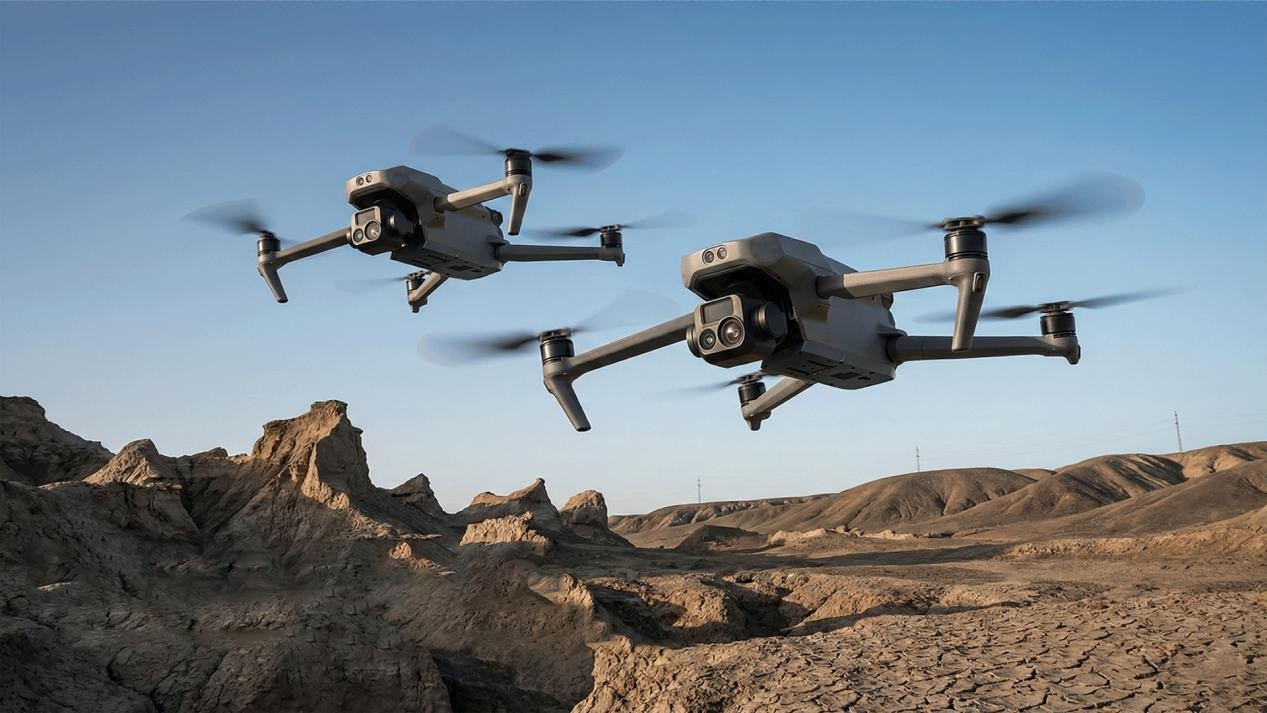
Inspection and patrol work is essential in many industries, including power transmission, oil and gas, transportation, public security, construction, mining, and environmental monitoring. Traditional inspection methods often require manual labor, long working hours, and exposure to dangerous environments.
With the development of UAV technology, inspection and patrol drones have become a smarter and safer solution. They can quickly collect images, videos, thermal data, and location information, helping organizations improve efficiency and reduce operational risks.
Inspection and patrol drones are unmanned aerial vehicles designed for monitoring, surveillance, inspection, and data collection tasks. They can be equipped with high-definition cameras, thermal imaging cameras, zoom cameras, loudspeakers, spotlights, gas sensors, and other payloads.
These drones can fly over large areas, hard-to-reach locations, and dangerous sites, providing real-time data to operators on the ground.
They are commonly used for:
Manual inspection of power lines, pipelines, industrial parks, or large facilities may take several hours or even days. Drones can cover large areas in a much shorter time.
With automatic flight routes and real-time data transmission, inspection teams can quickly identify problems and make faster decisions.
Many inspection tasks involve high voltage, high altitude, toxic gas, rough terrain, or extreme weather conditions. Sending workers into these environments can be dangerous.
Inspection drones reduce the need for manual climbing, close-distance inspection, and exposure to hazardous areas. This greatly improves worker safety.
Compared with helicopters, vehicle patrols, or large manual teams, drones offer a more cost-effective inspection solution. They require fewer operators, less fuel consumption, and lower maintenance costs.
For long-term monitoring projects, drones can significantly reduce overall operation expenses.
Modern inspection drones can carry advanced imaging systems, including:
These sensors help operators detect cracks, overheating points, leakage, corrosion, illegal intrusion, abnormal temperature, and equipment damage.
Inspection and patrol drones can transmit video and data in real time. Operators can monitor the situation remotely and respond quickly to emergencies.
This is especially useful for security patrol, disaster response, fire monitoring, and industrial emergency management.
Drones can inspect transmission towers, insulators, wires, and connectors without power shutdown. Thermal cameras can help detect overheating components.
Pipeline routes are often long and difficult to access. Drones can quickly check leakage risks, illegal construction, land changes, and security threats.
Factories, chemical plants, ports, mines, and warehouses can use drones for daily patrol, safety supervision, and emergency monitoring.
Drones can support perimeter patrol, border monitoring, crowd control, event security, and night surveillance. With loudspeakers and spotlights, they can also assist in warning and communication.
Solar farms and wind farms require regular inspection. Drones can identify damaged solar panels, hot spots, blade cracks, and other equipment problems.
When choosing an inspection or patrol drone, buyers should pay attention to:
A reliable drone should not only fly well but also provide accurate and useful data for decision-making.
Drone inspection is not only about flying and recording video. With professional software, inspection data can be stored, compared, analyzed, and used to generate reports.
This helps companies build a digital inspection management system, making maintenance work more standardized and traceable.
For example, a power company can compare drone inspection images from different months to detect early-stage defects. A security team can use patrol records to improve response plans.
Inspection and patrol drones are changing the way companies manage safety, infrastructure, and large-area monitoring. They offer higher efficiency, improved safety, lower costs, and more accurate data collection.
From power lines and pipelines to industrial parks and security patrols, drones provide a modern solution for professional inspection and monitoring tasks.
For organizations looking to improve inspection quality and reduce operational risk, investing in reliable inspection and patrol drones is a smart and future-oriented choice.
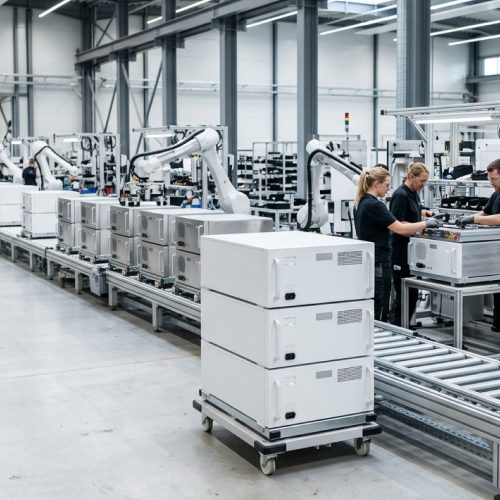
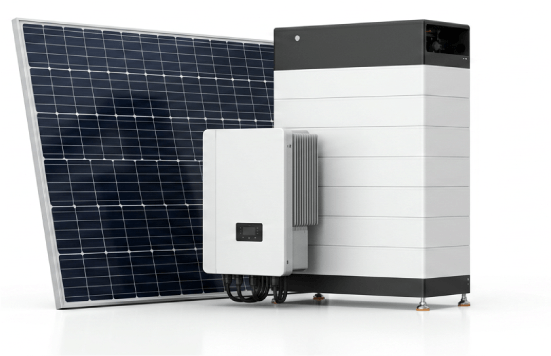
Discover how energy storage cabinets help businesses improve power stability, reduce energy costs, and support renewable energy applications in commercial and industrial projects.
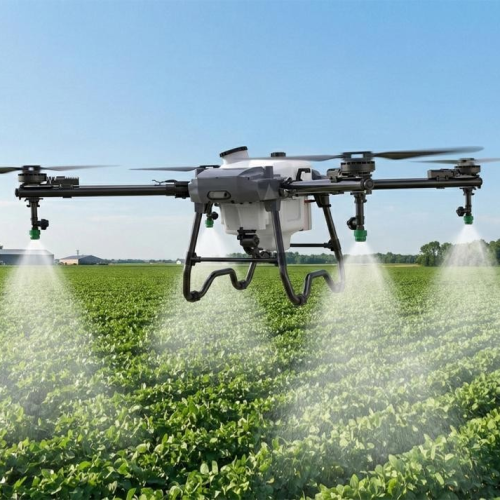
Agricultural plant protection drones help farmers spray pesticides, fertilizers, and nutrients more efficiently while reducing labor costs and improving crop management.

English
Tell us about your project — energy storage, UAVs, radar or composites. Our team replies within one business day.
-1.png)